Email Us
Phone
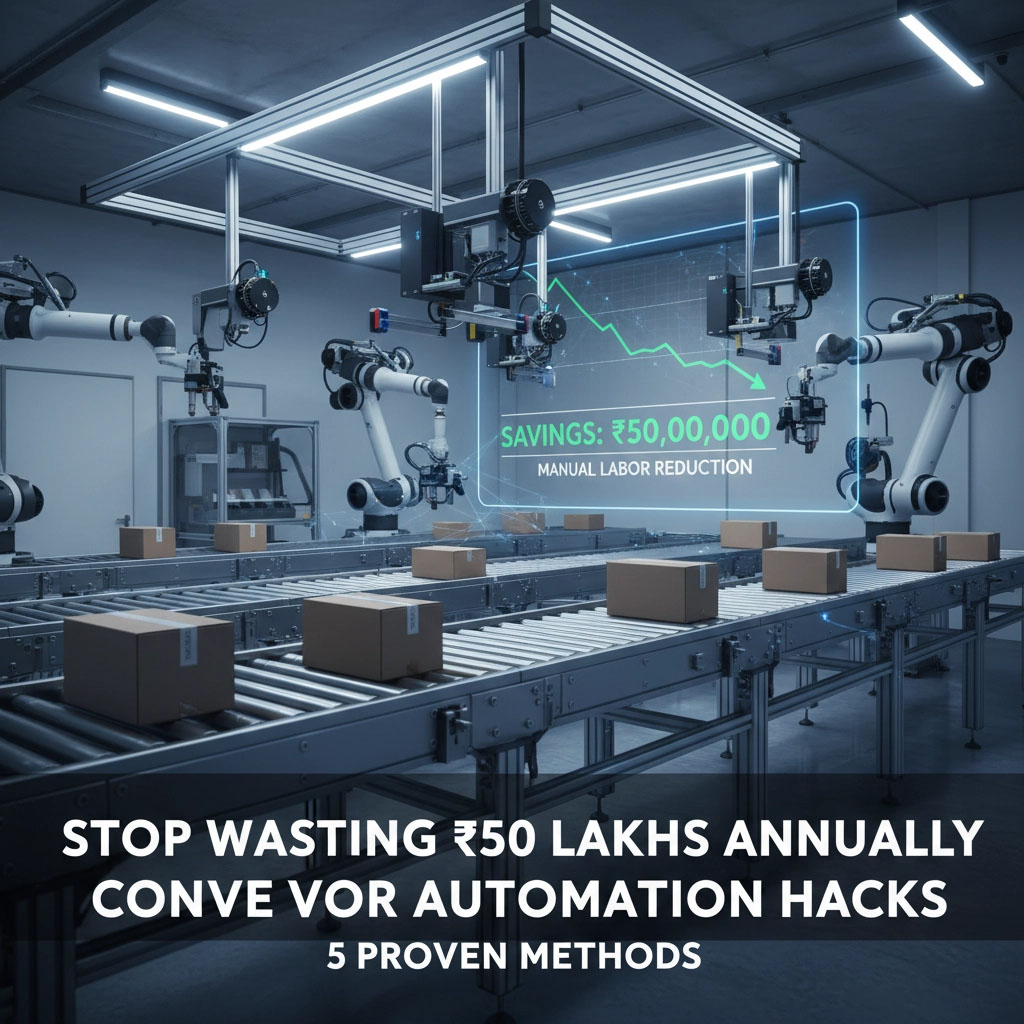
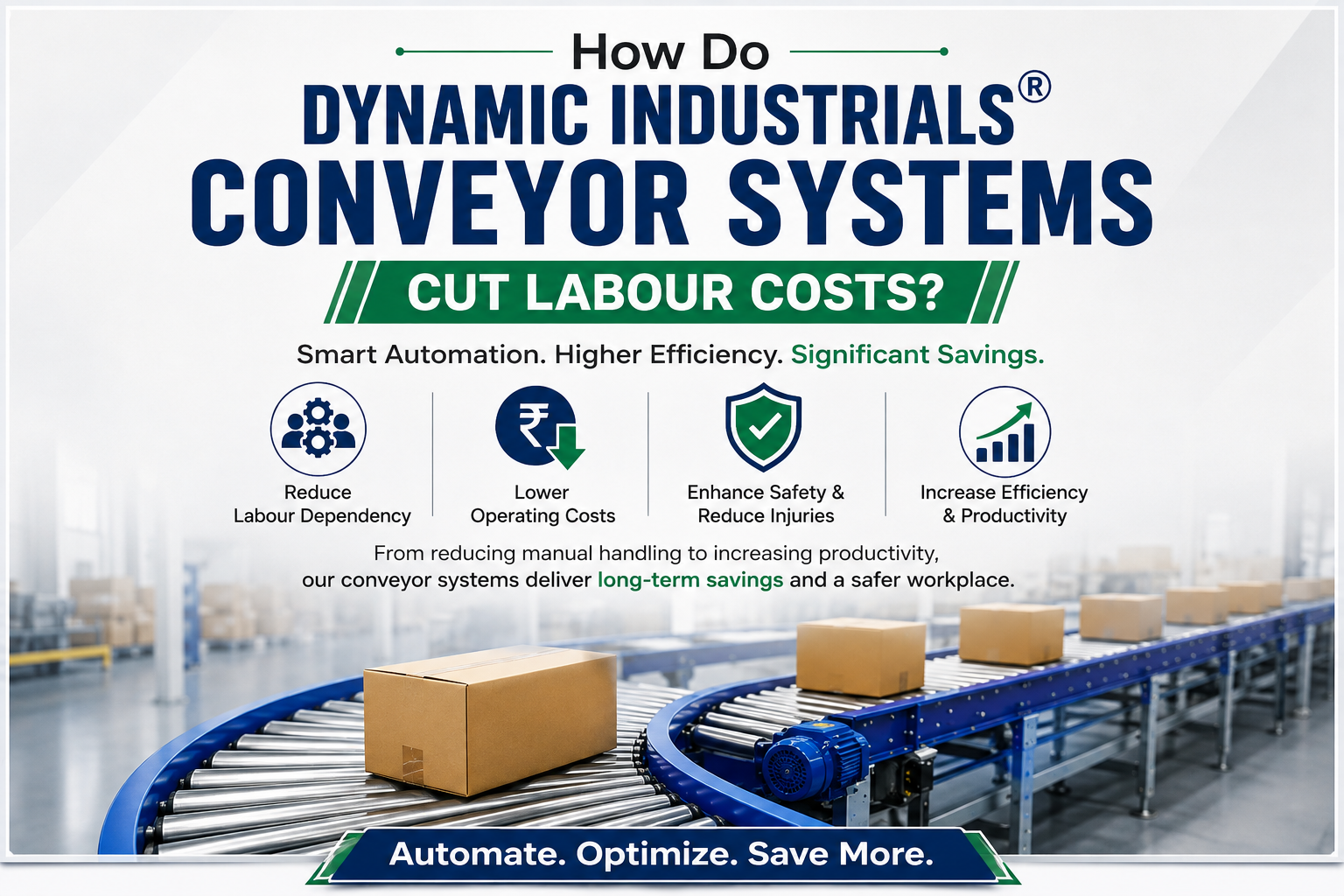
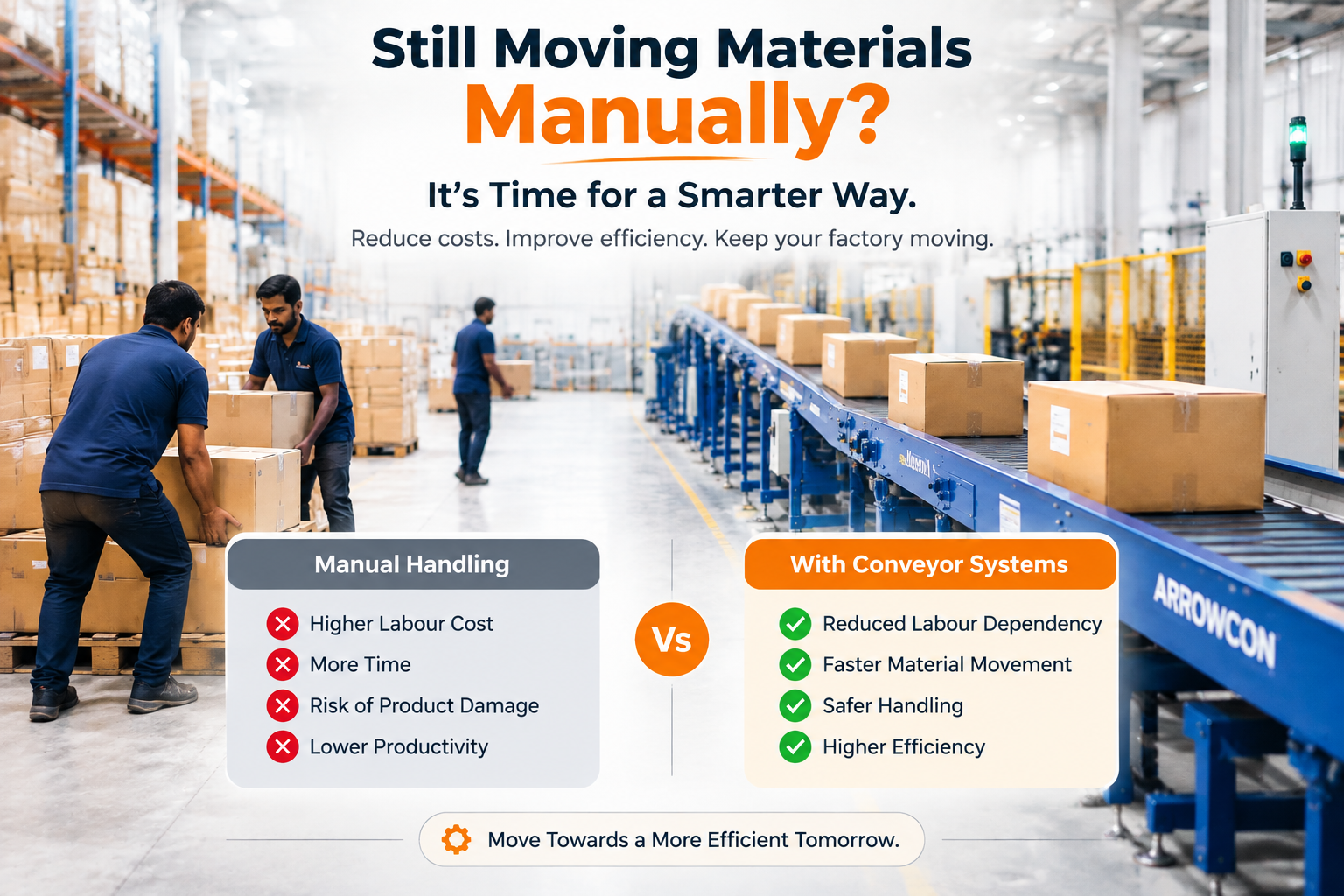
If you're running a manufacturing or distribution facility in India and spending ₹50 lakhs annually on manual labor for material handling, you're likely watching profits disappear into inefficient processes. The harsh reality is that traditional manual operations are becoming increasingly unsustainable: higher wages, frequent injuries, training costs, and inconsistent productivity are eating away at your bottom line.
The solution isn't hiring more workers or pushing existing staff harder. Smart manufacturers are turning to conveyor automation to slash labor costs while simultaneously improving safety, accuracy, and throughput. Here are five proven automation hacks that can transform your material handling operations and put those lakhs back in your pocket.
The most direct path to reducing your ₹50 lakh labor bill starts with eliminating repetitive, labor-intensive tasks that currently require multiple operators. Modern automated palletizing systems can handle loads up to 1,500 kg per hour using a single robotic arm: effectively replacing 3-4 full-time operators per shift.
Consider your current picking, packing, and stacking operations. How many workers are you paying to move products from conveyor to pallet, or from storage to shipping areas? Automated conveyor systems integrated with robotic arms can handle these tasks continuously, without breaks, sick days, or overtime pay.
Real Cost Impact: If you're currently employing 8 workers at ₹25,000 monthly each for material handling, that's ₹24 lakhs annually. A single automated system can reduce this to 2 operators for oversight and maintenance: an immediate saving of ₹18 lakhs per year.
The key is identifying which tasks are truly repetitive and standardized. Loading boxes, moving materials along predetermined paths, and basic sorting operations are prime candidates for automation.
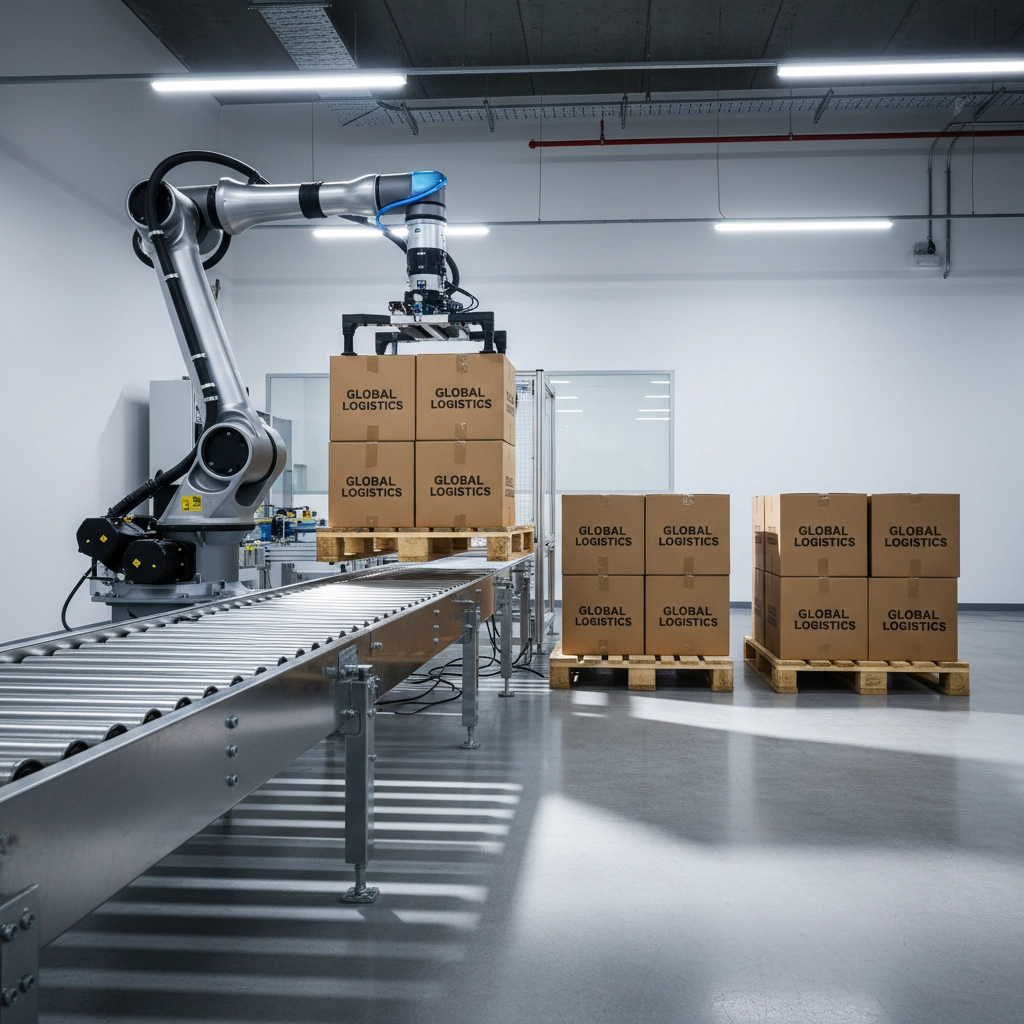
Manual workers have physical limitations: they get tired, need breaks, and can't maintain peak performance for extended periods. This inconsistency forces you to hire additional staff for surge periods and pay overtime premiums during busy seasons.
Conveyor automation systems maintain steady, consistent cycle times throughout operations. They don't slow down after lunch, don't need tea breaks, and don't require double-time pay for night shifts. This consistency eliminates the feast-or-famine staffing that drives up your labor costs.
The Numbers Don't Lie: If you're paying ₹5 lakhs annually in overtime costs during peak seasons, automated systems eliminate this entirely while handling 20-30% more throughput than manual processes. Your powered roller conveyors can run three shifts with minimal supervision.
Automated systems also provide predictable cycle times that allow better production planning. When you know exactly how long each process takes, you can eliminate the buffer time and extra staff typically needed to handle variability in manual operations.
Every new hire represents a significant investment: recruitment costs, training time, safety certification, and the productivity loss during their learning curve. High turnover in manual labor positions multiplies these costs dramatically.
Automated conveyor systems require initial specialized training, but they drastically reduce ongoing skill-upgrade and recruitment expenses. Once implemented, your systems need only periodic maintenance and supervision: not constant replacement of workers who leave for better opportunities.
Training Cost Reality Check: Training a new material handling worker costs approximately ₹15,000-20,000 when you factor in instructor time, safety certification, and reduced productivity during the learning period. With typical turnover rates of 30-40% in manual labor roles, you're spending ₹6-8 lakhs annually just on training replacements.
Automated systems create safer, less physically demanding roles that improve employee retention. When skilled operators move from heavy lifting to system monitoring and maintenance, they're more likely to stay: reducing your recruitment and training overhead significantly.

Manual lifting and carrying of heavy items causes strain-related injuries that devastate both productivity and your budget. Every workplace injury means workers' compensation claims, medical expenses, replacement worker costs, and potential legal liabilities.
The material handling industry has among the highest rates of workplace injuries: back strains, repetitive motion injuries, and accidents from dropped materials. These incidents don't just cost money; they create ongoing liability and reduce overall workforce morale.
Hidden Cost Calculator: A single serious workplace injury can cost ₹2-5 lakhs in medical expenses, compensation, and lost productivity. If you experience just 2-3 such incidents annually (typical for facilities with heavy manual handling), automated systems pay for themselves through injury prevention alone.
Conveyor automation systems remove workers from dangerous lifting and carrying tasks. Your insurance premiums decrease when you demonstrate proactive safety measures, and your workers' compensation claims drop dramatically.
Modern conveyor systems include safety features like emergency stops, protective barriers, and sensor-based collision prevention that make the workplace inherently safer for the operators who remain.
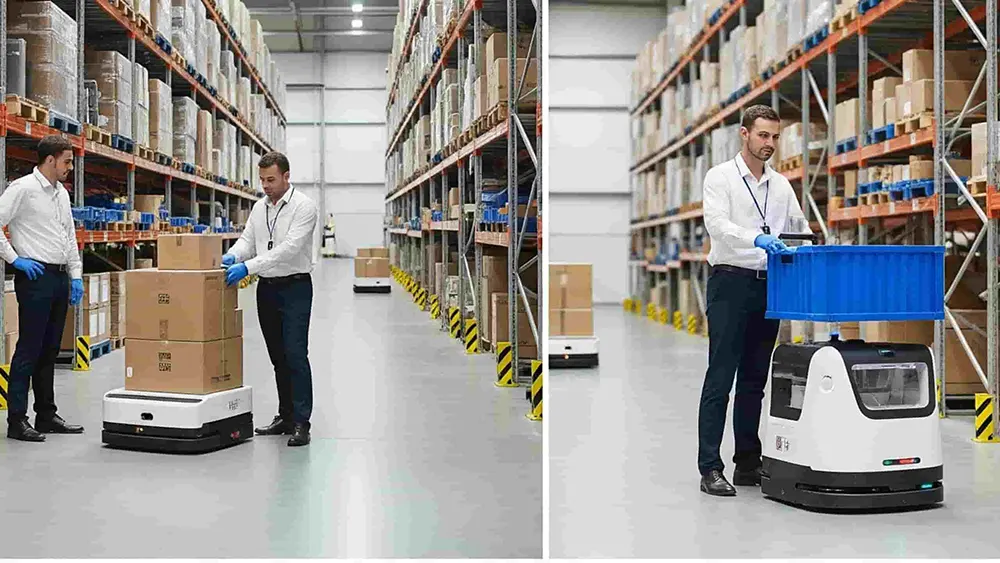
The smartest manufacturers don't simply eliminate positions: they strategically reallocate personnel from routine material handling to profit-generating activities. When robots manage palletizing and transport operations, your experienced workers can focus on quality control, preventive maintenance, process optimization, and customer service.
This workforce redeployment multiplies the value of your labor investment. A skilled operator handling system maintenance and quality assurance generates far more value per rupee of compensation than the same person moving boxes manually.
Value Multiplication Effect: An experienced worker earning ₹30,000 monthly in manual handling might generate ₹35,000 in value. The same worker in a technical role: monitoring automated systems, performing preventive maintenance, and optimizing processes: can generate ₹60,000+ in value while commanding higher wages that improve retention.
Consider roles like:
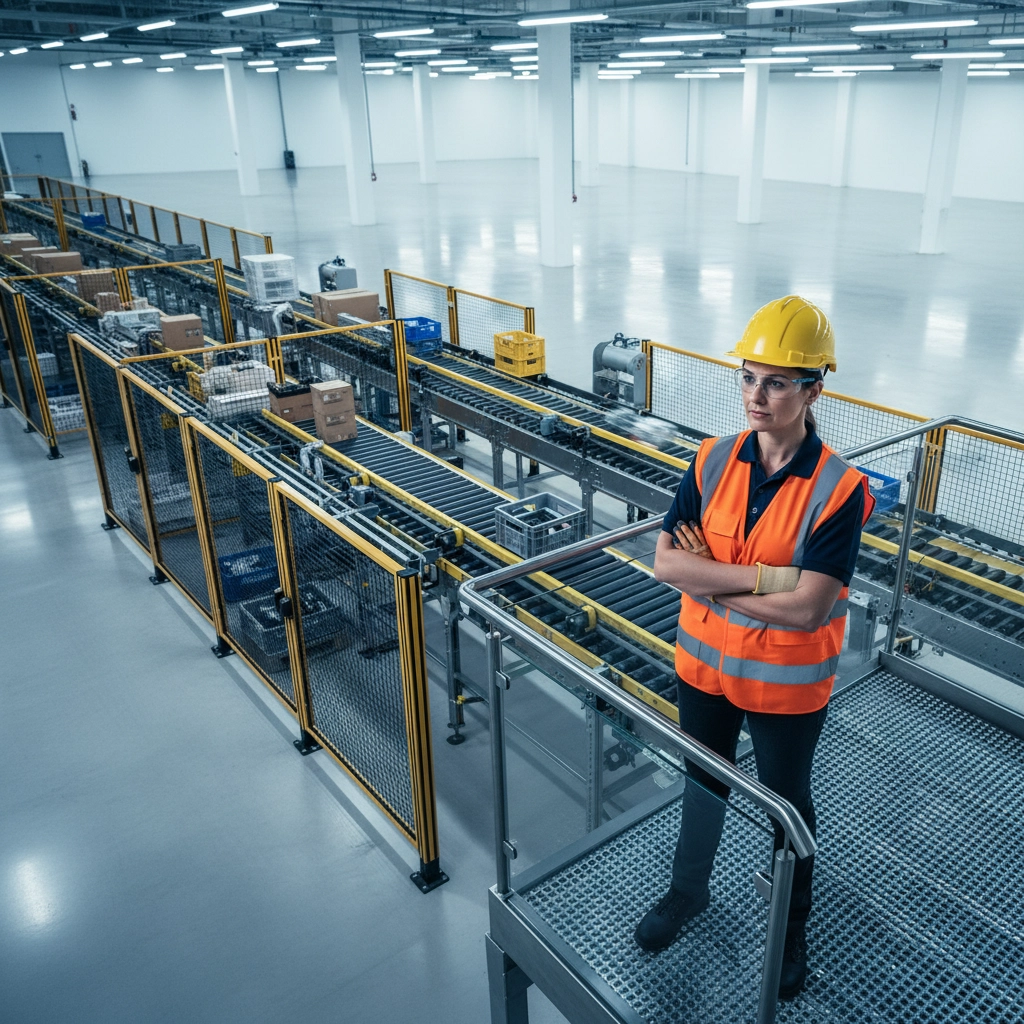
Beyond immediate labor savings, automated conveyor systems offer architectural advantages that multiply long-term savings. Modular conveyor solutions allow business expansion without proportional increases in labor costs.
When demand fluctuates seasonally or as you pursue growth, you can adjust system capacity with minor modifications rather than hiring and training additional staff. This scalability means capturing new business opportunities without the burden of recruitment, training, and onboarding costs.
Growth Economics: Adding 50% more capacity with manual processes might require 50% more workers (₹25 lakhs additional annually). With automated systems, the same capacity increase might need only one additional technician (₹4 lakhs annually) while handling the increased volume more efficiently.
Manual processes are inherently variable: workers have good days and bad days, make mistakes when tired, and may cut corners under pressure. These inconsistencies lead to quality issues, customer complaints, and costly rework.
Automated conveyor systems with advanced sensors and controls minimize human error in material handling. By reducing rework, returns, and quality-related labor costs, you capture indirect savings beyond obvious headcount reductions.
Enhanced accuracy also improves customer satisfaction, reducing the labor involved in managing complaints, returns, and replacement shipments.
When you calculate the total cost of manual labor, include:
Most facilities discover their true manual labor costs exceed their estimates by 40-60%. Against this comprehensive cost picture, conveyor automation becomes not just attractive but essential for remaining competitive.
The initial investment in automated systems typically pays for itself within 18-24 months through direct labor savings alone: before considering the additional benefits of improved safety, quality, and scalability.
By implementing these five conveyor automation hacks strategically, your facility can realistically eliminate 60-80% of routine material handling labor costs while simultaneously improving safety, product quality, and operational flexibility. The question isn't whether you can afford to automate( it's whether you can afford not to.)